Technology
What Bitcoin mining, AI computing, solar energy and cooling actually do inside a Farm Futures facility — and how they connect.
Bitcoin mining
Bitcoin mining is the process of securing the Bitcoin network with specialized computers. Machines perform trillions of calculations per second; when the network accepts their work, they earn bitcoin.
Mining equipment runs continuously and consumes electricity around the clock, so power cost is the single biggest factor in whether a mining operation works. Farm Futures pairs its mining halls with solar, wind and other power to manage that cost.
- The machinesASIC miners are purpose-built for one job: hashing the Bitcoin network.
- The electricityPower flows through the site's electrical infrastructure to racks of machines.
- The contributionMining rewards are one of the project's two intended revenue streams.
AI computing
AI computing infrastructure uses GPU servers to train and run artificial intelligence models. The same racks that train a model can serve it to users, which is why demand for GPU capacity keeps growing.
In the Farm Futures energy model, AI computing holds a default 30% allocation of available power — a share that can expand as equipment and demand develop.
- GPUs, not ASICsGeneral-purpose accelerators suited to many different AI tasks.
- Scheduled workCompute jobs run against demand, which makes this workload naturally flexible.
- The contributionAI compute services are the project's second intended revenue stream.
Solar energy
Photovoltaic panels convert sunlight into electricity. Once installed, that electricity has no fuel cost, which makes a large share of daytime supply predictable for the life of the array.
Solar and grid electricity work together: panels carry the daytime load, grid supply covers everything else, and the energy management layer decides in real time how the total is split between the two computing workloads.
Cooling and infrastructure
Every watt of computing eventually becomes heat, and removing that heat is what keeps equipment alive. The facility uses a combination of airflow design and liquid cooling concepts sized to the workload.
Around the computing halls sit the systems that make them possible: transformers and switchgear, network distribution, fire safety and monitored access.
- Air coolingManaged airflow through hot and cold aisles across the mining halls.
- Liquid coolingDirect-to-chip cooling concepts for high-density AI compute racks.
- Electrical backboneDistribution equipment delivering power safely to every rack.
How the system connects
Select a component to see what it does and how it links to the rest of the system.
Select a component
Click any block in the diagram to see what it does and how it links to the rest of the system.
Infrastructure gallery
Solar, mining, computing, electrical and cooling systems — captions and images are managed by the administrators.
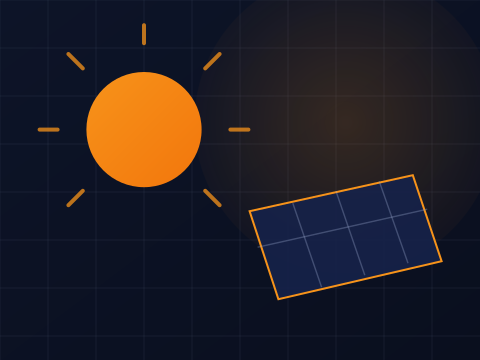
Solar array
Photovoltaic panels supplying daytime power to the compute facility.
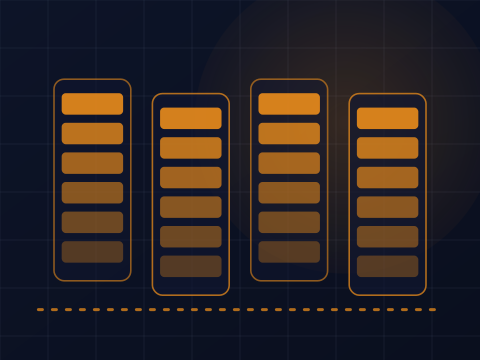
Mining hall
Racks of Bitcoin mining machines arranged for airflow and service access.
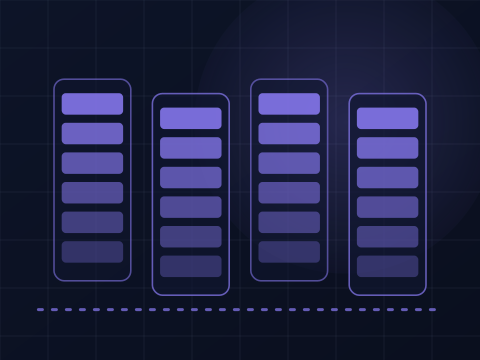
GPU compute room
Server racks running AI computing workloads.
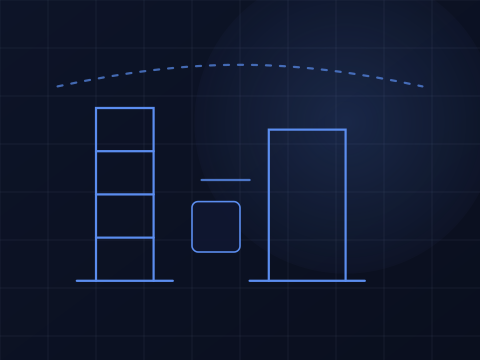
Substation & switchgear
Electrical infrastructure distributing power across the site.
Cooling systems
Air and liquid cooling keeping equipment inside its operating range.
Facility development
Construction and expansion of the supporting facility structures.
Ready to invest?
Choose a plan, review its conditions and invest when you are ready.